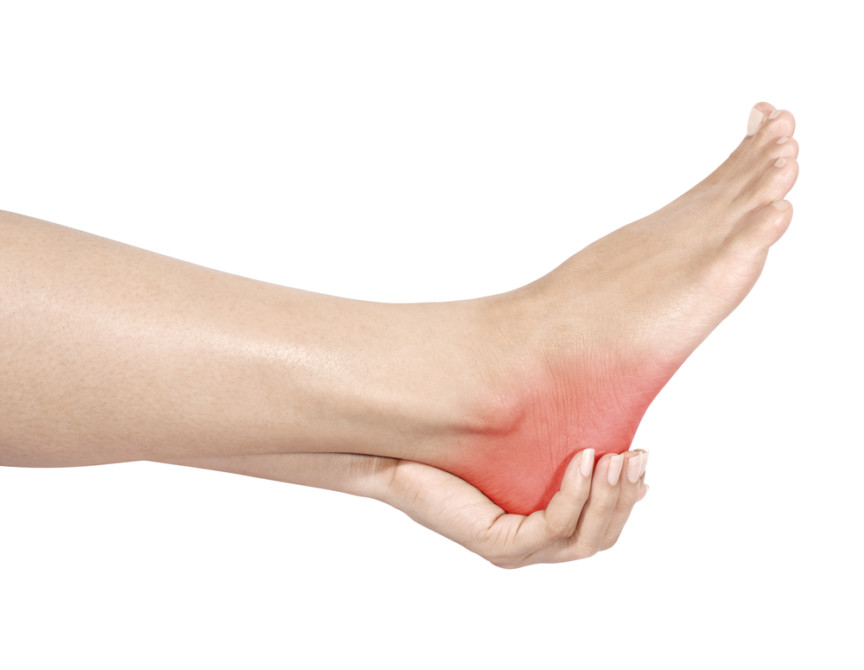
What is heel pain?
The heel is a specialised part of the body designed to absorb the impact of your body weight when walking, running or undertaking any other form of physical exertion or weight-bearing exercise.
When heel pain develops, it can be very disabling, making every step a problem, which in turn affects your overall posture.
What causes heel pain?
Heel pain is a common occurrence. Inn most cases the pain is caused by some form of mechanical injury resulting from small repetitive injuries that occur at a rate faster than the body can heal them. Heel pain can also be caused by lower back problems or inflammatory joint conditions.
Types of heel pain:
Plantar Fasciitis
Plantar Fasciitis (plan-tuh fa-shee-ai-tuhs) is one of the most common causes of heel pain.
It’s inflammation of a thick band of tissue, called the plantar fascia. The plantar fascia runs from the heel, beneath the arch of the foot to the base of the toes, and supports the arch of your foot and absorbs shock when walking. It helps the foot work as it should, spreading your weight evenly through your foot, so you can walk, run or stand without difficulty.
Having plantar fasciitis can make it painful to use your foot properly, usually just after you have been resting, so first thing in the morning when you get out of bed. You may find that the pain decreases throughout the day when your foot is moving but returns when you stop. Plantar fasciitis can also increase the risk of bone spurs. Bone spurs are lumps of calcium collecting on the heel bone, this can make the pain worse. Ignoring plantar fasciitis can result in chronic heel pain that can hinder your day to day activities. You’re likely to change the way you walk to try to avoid the pain, which may lead to foot, knee, hip or back problems. So it’s important to get treatment.
Heel Bursitis
This is inflammation of a bursa (a fluid-filled fibrous sac) under the heel bone where the pain is typically more in the centre of the heel than that experienced with plantar fasciitis and significantly worsens during the day. This condition can be caused by a fall from a height on to the heel.
Tarsal Tunnel Syndrome
This can feel like a burning or tingling sensation under the heel within the arch of the foot with occasional loss of sensation on the bottom of the foot. This is caused by compression of the tibial nerve as it passes the inside of the ankle. Tapping of the nerve just behind the ankle bone (known as Tinsel’s test) will stimulate the symptoms of the condition.
Chronic inflammation of the heel pad
This is caused by a heavy heel strike or sometimes a reduction in the thickness of the heel pad which can give rise to a dull ache in the heel which increases during the day.
Fracture
A fracture can be caused by falling from a height or landing on an uneven surface.
Sever’s Disease (calcaneal apophysitis)
This painful condition affects young children, usually between the ages of 8 and 12, especially those who are physically active or undergoing a growth spurt. It results from inflammation of the Achilles tendon where it attaches to the heel.
Achilles Tendonosis
This condition occurs when the Achilles tendon is placed under more pressure that it can cope with and small tears develop, along with inflammation, which in some cases leads to tendon rupture. These tears become a source of further injury, which can lead to swelling within the tendon, hence the name ‘tendonosis’ (sometimes referred to in error as ‘tendonitis’).
Who gets it and is it serious:
Heel pain can affect everyone, whatever your age, but those more commonly affected include people in middle age (over 40s age group), those who are overweight or stand for long periods of time, and athletes.
Heel pain is a common condition and in most cases will diminish following some routine self-care measures. If the pain persists longer than three weeks, it is best to seek professional advice from a podiatrist, as there are many types of heel pain, each with their own different causes and separate forms of treatment.
 Essex Nail Surgery and Foot Centre